Bad Review Response Examples
The way you handle a bad review says more about your business than the review itself. Below are real responses for the worst situations — angry outbursts, unfair accusations, legitimate complaints, and the reviews that make you want to argue back.
The Rules for Responding to Bad Reviews
Every example below follows these five rules. Break any one of them and the response works against you.
- ✓Never argue publicly — you will lose every time, even when you're right. The audience is future customers reading the exchange, not the reviewer
- ✓Name the specific issue — 'We're sorry for the inconvenience' is invisible. '90 minutes with a reservation' proves you read and care
- ✓Keep it shorter than the review — your response should always be shorter than the complaint. Long responses look defensive
- ✓Offer resolution, not excuses — an email address beats a paragraph explaining what went wrong. People want fixes, not explanations
- ✓Know when to let go — some reviewers aren't coming back. A gracious response earns more respect than begging them to reconsider
Bad Review Response Examples — The Hard Ones
Five real situations — from the angry rant to the public meltdown. Each response stays calm when the review doesn't.
“WORST EXPERIENCE EVER. Rude staff, terrible food, overpriced garbage. I cannot believe this place is still open. DO NOT GO HERE. Absolute scam.”
“We're sorry your experience was this frustrating. We'd genuinely like to understand what went wrong so we can address it. Would you be willing to reach out to us at [email]? We take every piece of feedback seriously — especially when someone feels this strongly.”
“They charged me for services I never agreed to. When I disputed it, the manager threatened to send me to collections. This place is a scam operation.”
“We take billing disputes seriously and would never want a customer to feel threatened. We'd like to review the details of your experience. Please contact [name] at [number] and we'll go through your account together. If any charge wasn't clearly communicated and agreed to, we'll make it right.”
“Waited 90 minutes for a table with a reservation. When we were finally seated, the server forgot our appetizer order and the main course was cold. What a waste of a Saturday night.”
“90 minutes with a reservation, a forgotten order, and cold food — that's a bad night and we own it. This isn't the experience we build our restaurant around, and we're sorry your Saturday was wasted. Please email us at [email] — we'd like to invite you back for the dinner you were supposed to have.”
“I've given this place three chances and every time something goes wrong. I'm done. Taking my business elsewhere permanently.”
“Three chances and three disappointments — we understand why you're moving on. We're sorry we couldn't get it right for you. We'll use your feedback to make sure future customers don't have the same experience. We wish you well.”
“The owner had the nerve to argue with me IN FRONT of other customers when I complained about my order. Unprofessional, embarrassing, and I'll be telling everyone I know to avoid this place.”
“A public disagreement is never acceptable — regardless of the circumstances. We apologize for the embarrassment. We've reviewed this incident internally and it won't happen again. If you're open to it, we'd like to discuss this privately at [email]. We understand if you're not.”
How Typani Helps With Bad Reviews
Bad reviews trigger a fight-or-flight response. You want to argue back, explain yourself, or ignore the review entirely. None of those options serve your business.
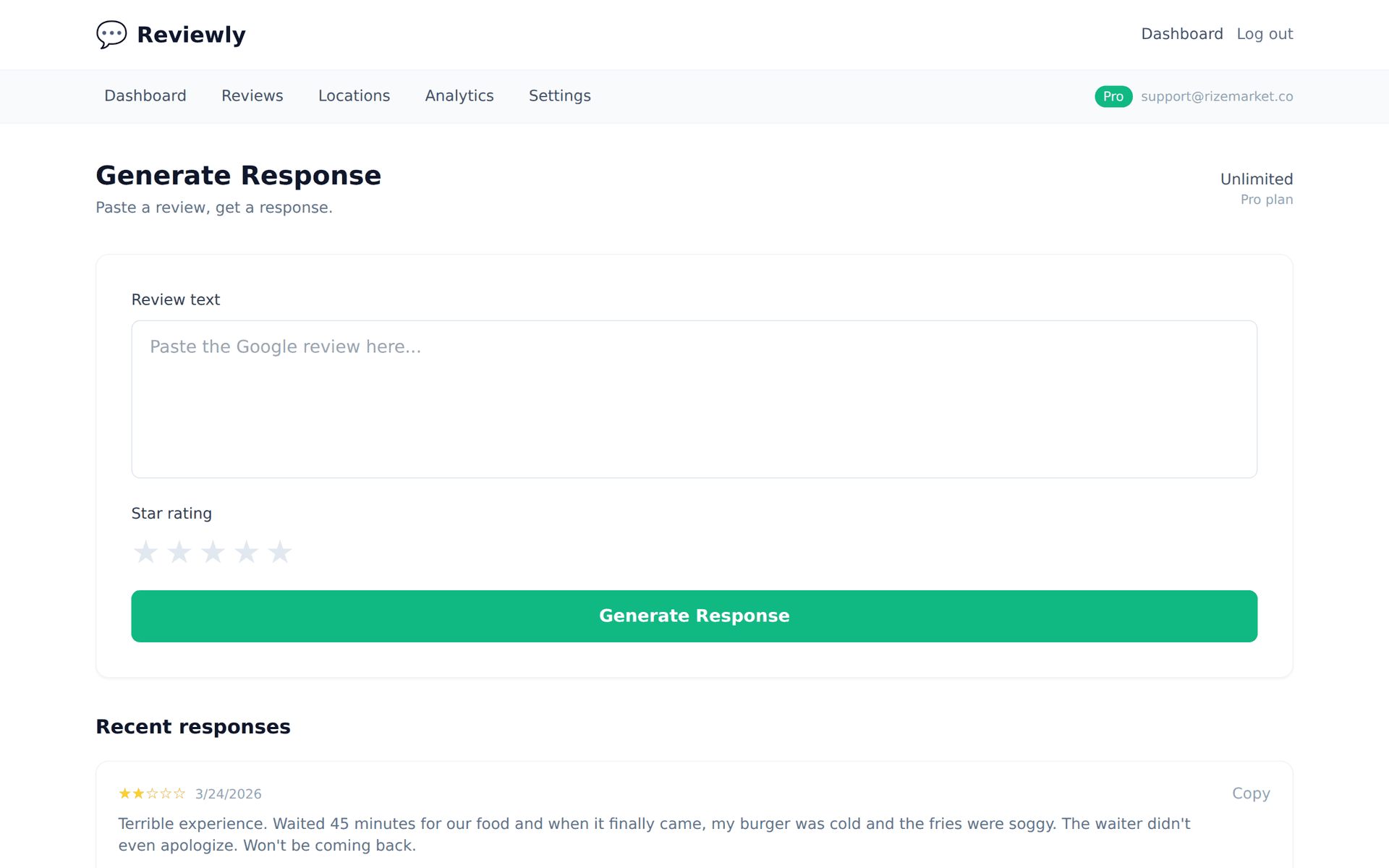
Typani gives you a third option: paste the bad review (even the one that makes your blood boil), and Typani writes a calm, professional response that addresses their specific complaint. The draft is level-headed regardless of how angry the review is.
It's like having a PR professional on standby who writes your first draft. You don't have to use it word-for-word — but having a calm starting point is better than staring at an angry review trying to type something you won't regret.
Start Responding Free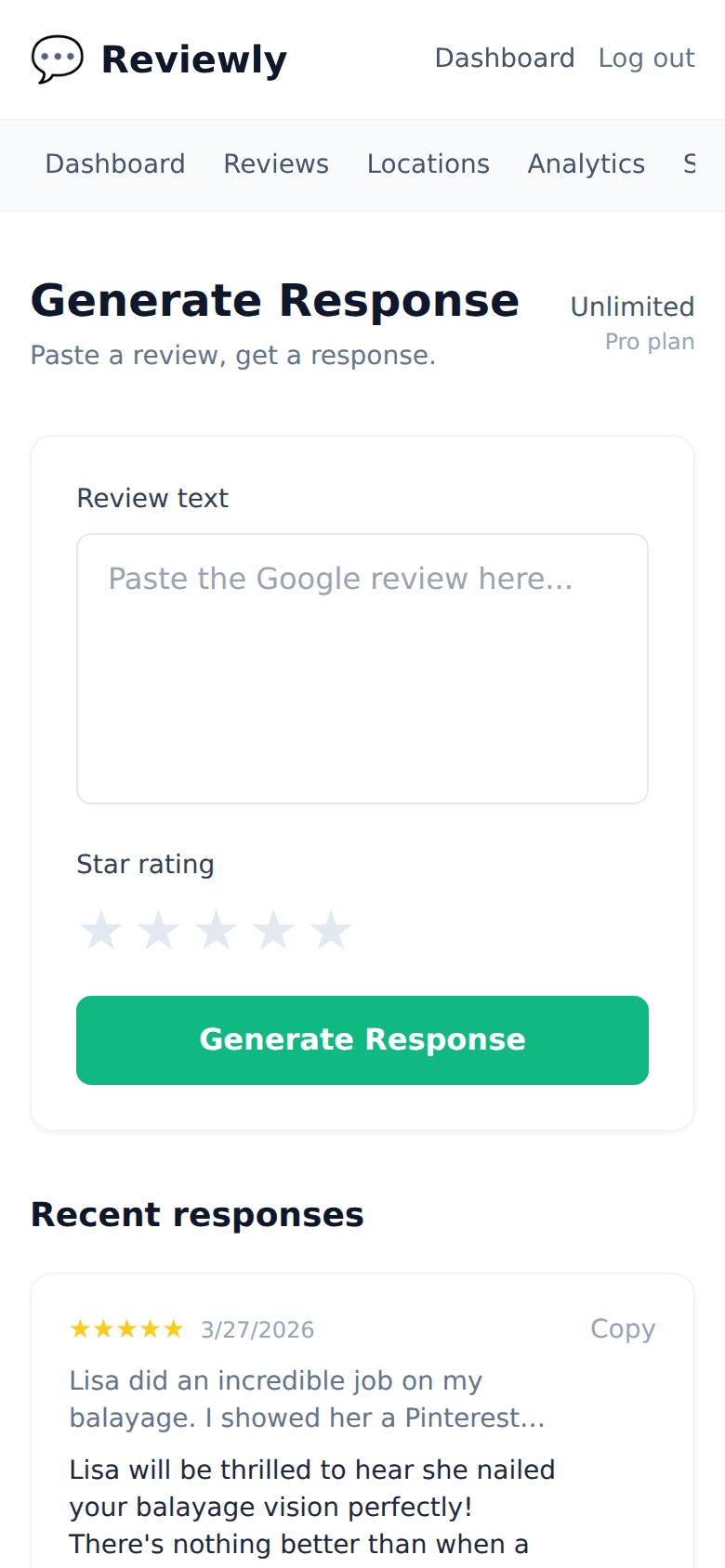
Frequently Asked Questions
Everything owners ask before they start using Typani.
Should I respond to reviews that are clearly fake?
+
Yes — calmly. 'We're unable to find a record matching this experience — please contact us so we can investigate.' Then flag it to Google for removal. Never accuse someone publicly of being fake, even if you're certain.
What if I responded badly to a review already — can I fix it?
+
You can edit your response on Google. If you wrote something defensive or emotional, replace it with a calm, professional response. Better late than never — the old response stops being visible once you update it.
How long should I wait before responding to a review that makes me angry?
+
At least a few hours. Write a draft, walk away, come back to it. Or paste the review into Typani and use the AI draft as your starting point — it removes the emotional reaction from the writing process entirely.
Does ignoring bad reviews make them go away?
+
The opposite. Unanswered bad reviews stand out more because there's no counter-narrative. A professional response changes the story from 'this business is terrible' to 'this business handles problems well.'
Should the business owner respond or a manager?
+
Either works, but be consistent. What matters is that the response sounds human, addresses the issue, and offers resolution. The title of the person responding matters less than the quality of the response.
Built for busy local business owners
Typani writes on-brand replies to every Google review in seconds, so you can answer them all without giving up your evening.
Generate your first response in seconds
Free to start. No credit card. Works on any Google review.
Try Typani FreeRelated
Explore Typani